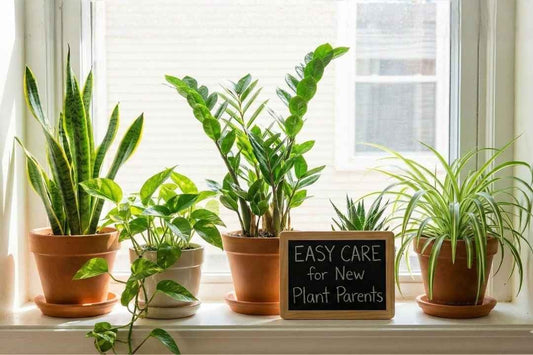
How to Prevent Root Rot in Potted Plants
Have you ever noticed your once-healthy plant suddenly developing yellow leaves, wilting despite regular watering, or giving off an unpleasant smell from the pot? These could be signs of root rot, one of the most common problems affecting potted plants.
The good news is that root rot is largely preventable with proper plant care. By understanding what causes it and following a few simple practices, you can keep your plants healthy and thriving.
What Is Root Rot?
Root rot is a condition where plant roots begin to decay due to excess moisture and poor oxygen circulation in the soil. Healthy roots are firm and white, while rotting roots become brown or black, soft, and mushy. Once the roots are damaged, the plant struggles to absorb water and nutrients, leading to poor growth and, in severe cases, plant death.
Common Causes of Root Rot
1. Overwatering
The most common cause of root rot is watering plants too frequently. Constantly wet soil prevents roots from getting the oxygen they need.
2. Poor Drainage
Pots without drainage holes or soil that retains too much water can trap excess moisture around the roots.
3. Heavy or Compacted Soil
Dense soil prevents proper airflow and slows water drainage, creating ideal conditions for root rot.
4. Oversized Pots
A pot that's much larger than the root ball holds more soil and moisture than the plant can use, increasing the risk of waterlogged roots.
How to Prevent Root Rot
Water Only When Needed
Check the soil before watering. If the top inch feels dry, it's usually time to water. Avoid watering on a fixed schedule without checking the soil's moisture level.
Choose Pots with Drainage Holes
Always use pots that allow excess water to drain freely. Empty any water collected in trays or saucers after watering.
Use a Well-Draining Potting Mix
A quality potting mix promotes healthy root growth by allowing water to drain while retaining enough moisture for the plant.
Select the Right Pot Size
Choose a pot that's slightly larger than the plant's root system. This helps prevent excess moisture from remaining in the soil for long periods.
Ensure Good Air Circulation
Place plants where they receive adequate airflow. Good ventilation helps the soil dry more evenly between waterings.
Repot When Necessary
If the potting mix becomes compacted or the plant outgrows its container, repot it using fresh, well-draining soil.
Signs Your Plant May Have Root Rot
Watch for these common warning signs:
-
Yellowing leaves
-
Wilting despite moist soil
-
Slow or stunted growth
-
Soft, black, or mushy roots
-
A foul smell coming from the soil
-
Leaves dropping unexpectedly
Early detection gives your plant the best chance of recovery.
Can a Plant Recover?
If caught early, many plants can recover from root rot. Remove the plant from its pot, trim away damaged roots with clean tools, and repot it in fresh, well-draining potting mix. Adjust your watering routine to prevent the problem from returning.
Final Thoughts
Healthy roots are the foundation of every healthy plant. Preventing root rot is much easier than treating it. By watering correctly, using well-draining soil, choosing suitable pots, and providing proper care, you can enjoy vibrant, thriving potted plants for years to come.
Whether you're growing indoor plants, flowering plants, or tropical varieties, paying attention to root health is one of the best investments you can make in your garden.
Summary
Root rot is a common issue in potted plants, usually caused by overwatering, poor drainage, or compacted soil. It can lead to yellowing leaves, wilting, stunted growth, and damaged roots. Preventing root rot involves watering only when needed, using pots with drainage holes, choosing a well-draining potting mix, and ensuring proper air circulation. With the right care, your plants can develop healthy roots and thrive for years.
Here's an SEO-optimized blog for your plant-selling website.
How to Prevent Root Rot in Potted Plants
Have you ever noticed your once-healthy plant suddenly developing yellow leaves, wilting despite regular watering, or giving off an unpleasant smell from the pot? These could be signs of root rot, one of the most common problems affecting potted plants.
The good news is that root rot is largely preventable with proper plant care. By understanding what causes it and following a few simple practices, you can keep your plants healthy and thriving.
What Is Root Rot?
Root rot is a condition where plant roots begin to decay due to excess moisture and poor oxygen circulation in the soil. Healthy roots are firm and white, while rotting roots become brown or black, soft, and mushy. Once the roots are damaged, the plant struggles to absorb water and nutrients, leading to poor growth and, in severe cases, plant death.
Common Causes of Root Rot
1. Overwatering
The most common cause of root rot is watering plants too frequently. Constantly wet soil prevents roots from getting the oxygen they need.
2. Poor Drainage
Pots without drainage holes or soil that retains too much water can trap excess moisture around the roots.
3. Heavy or Compacted Soil
Dense soil prevents proper airflow and slows water drainage, creating ideal conditions for root rot.
4. Oversized Pots
A pot that's much larger than the root ball holds more soil and moisture than the plant can use, increasing the risk of waterlogged roots.
How to Prevent Root Rot
Water Only When Needed
Check the soil before watering. If the top inch feels dry, it's usually time to water. Avoid watering on a fixed schedule without checking the soil's moisture level.
Choose Pots with Drainage Holes
Always use pots that allow excess water to drain freely. Empty any water collected in trays or saucers after watering.
Use a Well-Draining Potting Mix
A quality potting mix promotes healthy root growth by allowing water to drain while retaining enough moisture for the plant.
Select the Right Pot Size
Choose a pot that's slightly larger than the plant's root system. This helps prevent excess moisture from remaining in the soil for long periods.
Ensure Good Air Circulation
Place plants where they receive adequate airflow. Good ventilation helps the soil dry more evenly between waterings.
Repot When Necessary
If the potting mix becomes compacted or the plant outgrows its container, repot it using fresh, well-draining soil.
Signs Your Plant May Have Root Rot
Watch for these common warning signs:
-
Yellowing leaves
-
Wilting despite moist soil
-
Slow or stunted growth
-
Soft, black, or mushy roots
-
A foul smell coming from the soil
-
Leaves dropping unexpectedly
Early detection gives your plant the best chance of recovery.
Can a Plant Recover?
If caught early, many plants can recover from root rot. Remove the plant from its pot, trim away damaged roots with clean tools, and repot it in fresh, well-draining potting mix. Adjust your watering routine to prevent the problem from returning.
Healthy roots are the foundation of every healthy plant. Preventing root rot is much easier than treating it. By watering correctly, using well-draining soil, choosing suitable pots, and providing proper care, you can enjoy vibrant, thriving potted plants for years to come.
Whether you're growing indoor plants, flowering plants, or tropical varieties, paying attention to root health is one of the best investments you can make in your garden.
Tags:
Previous
Why Every Home Should Have Air-Purifying Plants
Next
Why Plant Combos Are the Perfect Choice for Home Décor
Related articles

Best Low-Maintenance Plants to Buy Online
Aug 21 2026
Best Pots for Balcony Gardens
Aug 10 2026
Why Every Home Should Have Air-Purifying Plants
Jun 30 2026
Balcony Gardening Ideas for Small Spaces
Apr 08 2026